Bonsai for beginners: the complete starter guide
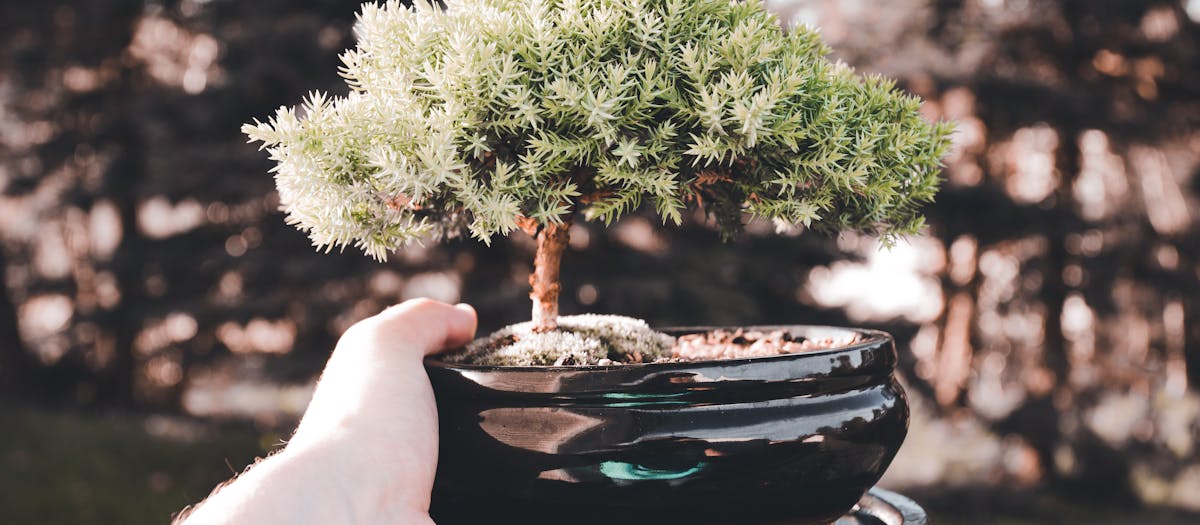
Bonsai is the craft of growing an ordinary tree small, in a shallow pot, over years. It is not a houseplant and it is not a weekend project — it is a slow, rewarding hobby that rewards patience more than talent. The good news is that most beginner trees die from a short list of avoidable mistakes, and once you understand those, a forgiving first tree will put up with a lot while you learn. This guide walks every beginner decision in the order that actually matters, starting with the one that quietly kills more first trees than anything else.
A note on tone before we begin. You will see bonsai sold as an "ancient art" that gives you an "instant aged tree". Ignore that. A bonsai is a real, living tree on a multi-year journey, and the people who keep theirs alive treat it like horticulture, not décor. Everything below reflects widely-accepted growing practice, explained plainly. Where a species can be toxic to pets, I will say so and point you to the right resource — I am a hobbyist and an editor, not a vet.
The first decision: indoor or outdoor
This is the decision that kills more beginner trees than any other, and it is made before you even buy. Trees are either temperate or tropical, and that determines where they can live.
Temperate species — junipers, Japanese maples, pines, elms, boxwood — evolved with four seasons. They need a real, cold winter to go dormant and rest. Kept warm indoors year-round, they never get that rest, weaken over a season or two, and slowly die. There is no window bright enough to fix this. Temperate trees are outdoor trees, full stop.
Tropical and subtropical species — ficus, jade (Portulacaria afra), Chinese elm, Fukien tea, schefflera — come from warm climates with no hard winter. They can live indoors year-round, provided they get enough light. They are the only honest "indoor bonsai", and a ficus is the species I steer most beginners toward for an indoor spot.
So the order is: decide where you can keep a tree first, then choose a species that suits that spot. A sunny balcony or yard opens up the temperate species. A bright indoor windowsill points you at a tropical. If your only indoor light is dim, a grow light can make an indoor tropical viable — more on that below. The species hub works through this decision in more depth, with USDA hardiness zones for the outdoor options.
Choosing a forgiving first species
Once you know indoor or outdoor, pick a species that forgives mistakes. A forgiving tree grows vigorously, tolerates uneven watering, and bounces back from a bad prune. Save the temperamental species — delicate maples, pines that need precise technique — for your second or third tree.
Forgiving indoor (tropical) species
- Ficus (ficus retusa, ficus ginseng, ficus benjamina) — the classic beginner indoor bonsai. Tolerates lower light and irregular watering better than almost anything, and grows back fast. My first indoor tree was a ficus, and I still keep three.
- Jade / Portulacaria afra — a succulent that stores water in its leaves, so it forgives the occasional missed watering. Wants bright light but is very hard to kill from under-watering.
- Chinese elm — sold as both an indoor and outdoor tree; vigorous, leafs back readily, and a good bridge species while you decide how serious you are getting.
Forgiving outdoor (temperate) species
- Juniper — the species most people picture, hardy and widely sold. It is an outdoor tree and will not survive long indoors, which is worth repeating because so many are sold as "indoor".
- Japanese maple — beautiful, beginner-accessible if you keep it outdoors and out of harsh afternoon sun. One of the most-searched first trees for good reason.
- Boxwood and Chinese elm — both tough, both forgiving of a learner's pruning.
A word on pets. A few species are toxic to dogs and cats if eaten — sago palm (highly toxic), azalea, and oleander among them. I am not a vet and will not diagnose anything; if you have pets, check the ASPCA toxic-plant list before buying, and keep any toxic species out of reach. When in doubt, a ficus is non-toxic and forgiving. The species hub flags toxicity on each tree it covers.
The gear you actually need
Bonsai retailers will happily sell you a fifteen-piece tool roll. You do not need it to start. Here is the honest short list for a first tree.
- A tree — a young, pre-styled tree or a starter kit. See below.
- Bonsai soil — not potting soil. The single most important purchase after the tree.
- A pot with drainage holes — a training pot is fine to start; the showy ceramic can wait.
- A pair of bonsai shears or sharp scissors — for trimming shoots and roots.
- A roll of training wire — aluminium is the beginner-friendly choice.
- A way to water gently — a watering can with a fine rose, so you do not blast the soil out.
That is it. A basic tool kit covers the shears, a concave cutter and wire for well under the cost of a full set, and the tools hub explains what each tool does and what you can safely skip. Wire is a genuine consumable — you cut it off when you remove it, so you re-buy it. Soil is the other thing you will re-order as you repot.
The simplest way to start: a kit
If buying a tree, soil, pot and tools separately feels like a lot of small decisions, a starter kit bundles them. The good kits give you a forgiving species, real bonsai soil (not the bagged potting mix some include), a pot and a few basic tools. The poor ones pair a temperate tree with an "indoor" label and ordinary soil — a setup that fails. The starter kit guide sorts the genuinely useful kits from the ones that set beginners up to lose a tree.
Soil basics: why not potting soil
This is the part beginners skip and regret. A bonsai lives in a shallow pot with very little soil volume, so the soil has to do two jobs at once: drain fast enough that roots are never sitting in water, and still hold some moisture and air around those roots. Ordinary potting soil cannot do this. It holds too much water and packs down, so the roots stay wet, run out of air, and rot. A tree can look fine for weeks and then collapse from root rot you never saw.
Bonsai soil solves this with gritty, hard particles roughly 2–6 mm across, with space between them for air and drainage. The three components you will hear about most are:
- Akadama — a fired Japanese clay that holds water and nutrients, then breaks down slowly over a couple of years. The traditional backbone of a bonsai mix.
- Pumice — a light volcanic rock that holds some water and keeps the mix open and airy. Cheap, stable, and does not break down.
- Lava rock — adds structure and drainage, holds a little water on its rough surface, and never breaks down.
A common beginner blend is roughly equal parts of the three, adjusted by species — more water-retentive akadama for thirsty deciduous trees, more free-draining pumice and lava for conifers and succulents. You do not have to mix your own at first; a good pre-mixed bag works. The soil hub explains the components in detail and the best bonsai soil guide compares the bags worth buying.
Watering by feel, not by schedule
More beginner trees die from watering than anything except the indoor-outdoor mistake — and usually from a fixed schedule rather than too much or too little water in itself. A schedule ignores the weather, the season, and how thirsty the tree is on a given day.
The method is simple: check the soil daily, and water when the surface is just starting to dry. Push a finger a centimetre into the soil; if it feels barely moist, water. When you water, do it thoroughly — pour gently with a fine rose until water runs freely from the drainage holes, wait a moment, and do it again so the whole soil mass is wetted. In a fast-draining bonsai mix it is genuinely hard to over-water if the soil drains properly, which is another reason the soil matters so much.
In a hot summer an outdoor tree may need water once or even twice a day. In cool weather it may go several days. There is no number I can give you that fits every tree — that is the whole point of watering by feel. The care hub covers watering, light, fertiliser and the seasonal calendar in more depth.
Light, and getting an indoor tree through winter
Tropical bonsai indoors need more light than most homes provide, especially in winter when the days are short and the sun sits low. A tree on a dim windowsill stretches, drops leaves, and weakens. The fix is either a genuinely bright south-facing window or a grow light. A modern LED grow light run on a timer for ten to fourteen hours a day will carry an indoor ficus or jade through a dark winter that would otherwise set it back. It is the single most useful upgrade for an indoor grower in a northern climate.
Outdoor temperate trees, by contrast, want full or near-full sun for most of the year — the light problem is an indoor problem.
Your first year, month by month
A rough first-year rhythm for a beginner, assuming you bought a young tree or kit in spring:
- Spring — the growing season begins. Water by feel as it warms, start a light feeding routine, and let the tree grow. Resist heavy pruning on a tree you just bought.
- Summer — peak growth and peak watering. Outdoor trees may need daily water. Light pruning of long shoots is fine. Watch indoor trees for enough light.
- Autumn — growth slows, feeding tapers off. Temperate trees begin hardening for dormancy; do not bring them indoors to "protect" them — they need the cold.
- Winter — temperate trees rest outdoors (with protection from hard freezes for the pot, not the warmth of a house). Indoor tropicals get a grow light and less water as growth slows.
Repotting and wiring are usually best left until you have kept the tree healthy for a season and learned its rhythm. There is no rush. As the hobby goes: bonsai is years, not weekends.
What kills beginner trees
Almost every lost first tree traces back to this short list:
- Indoor-outdoor mismatch — a temperate tree kept indoors. The number-one killer.
- Wrong soil — potting soil that stays wet and rots the roots.
- Watering on a schedule — instead of checking the soil by feel.
- Too little light — an indoor tropical on a dim sill, with no grow light.
- Doing too much, too soon — heavy pruning, wiring and repotting all at once on a stressed new tree.
If a pest or disease shows up — webbing, sticky leaves, sudden leaf drop — identify it before you reach for a spray. I do not give pesticide-application instructions here, because the right product and dose depend on the pest and your region. Your local cooperative extension office can identify the problem and recommend a safe, legal treatment for where you live.
Notice that none of these are about talent. They are about a few decisions made at the start. Get the place, the species, the soil, the water and the light right, go slow on everything else, and a forgiving tree will give you years to learn the craft.
Where to go next
You now have the map. From here, pick the silo that matches your next decision: the species hub for choosing and buying a tree, the soil hub for getting the soil right, the care hub for keeping it alive, and the tools hub for the small kit that does the work. If you would rather start with one purchase, the starter kit guide is the simplest first step.
Frequently asked questions
Is bonsai hard for beginners?
It is not hard so much as slow and patient. Most beginner trees die from a few avoidable mistakes — the wrong indoor or outdoor choice, ordinary potting soil that stays wet, and watering on a schedule instead of by feel. Get those three right and a forgiving species will forgive a lot of the rest while you learn.
What is the easiest bonsai tree for a beginner?
For indoors, a ficus is the common first choice — it tolerates low light and inconsistent watering better than most. For outdoors, a juniper or a Chinese elm is forgiving and widely sold. The best beginner tree is the one suited to where you can actually keep it, not the prettiest one in the photo.
Can a bonsai live indoors?
Only tropical and subtropical species can live indoors year-round, such as ficus, jade and Chinese elm. Temperate trees like junipers, maples and pines need a real outdoor winter to go dormant and will slowly decline indoors. Choosing an indoor species for an indoor spot is the single most important beginner decision.
Why can I not use normal potting soil for bonsai?
Potting soil holds too much water and not enough air, so roots in a shallow bonsai pot sit wet and rot. Bonsai soil is a gritty, fast-draining mix of particles like akadama, pumice and lava that drains quickly while holding some moisture and air around the roots. It is the cheapest thing that keeps a tree alive.
How often should I water a bonsai?
Not on a schedule — by feel. Check the soil daily and water thoroughly when the surface is just starting to dry, until water runs from the drainage holes. In a fast-draining mix that may be daily in summer and every few days in cooler weather. The right frequency depends on your tree, pot, soil and climate.
How much does it cost to start bonsai?
A first setup runs roughly $120 to $400 — a young tree or kit, a bag of bonsai soil, a pot, a basic tool set and a roll of wire. A starter kit bundles most of that. The recurring costs are small: soil and wire are the consumables you re-order as you repot and style over the years.
Are any bonsai species toxic to pets?
Some are. Sago palm is highly toxic to dogs and cats, and azalea and oleander are also toxic if eaten. We are not vets and give no medical advice — check the ASPCA toxic-plant list before buying if you have pets, and keep any toxic species well out of reach. When in doubt, choose a non-toxic species like a ficus.